
Transitioning to Reusable Packaging: A Sustainable Solution for Food Logistics
- Sales Lead

- Nov 21, 2025
- 4 min read
Updated: May 5
The Demands of Food Logistics: Embracing Reusable Packaging Solutions
The food industry operates under constant pressure. We must deliver products safely, efficiently, and sustainably. From bulk ingredients to packaged goods, every shipment needs to arrive intact and on time. Traditional single-use packaging has long been the default choice. However, it creates inefficiencies, drives up costs, and generates significant waste. As sustainability becomes a priority, reusable packaging solutions are emerging as the smarter choice. At Returnable Asset Packaging, our reusable sleeve systems are designed to protect food products while reducing costs and supporting a cleaner supply chain.
Challenges with Single-Use Packaging
Single-use packaging often fails to meet the complex needs of food logistics. It consumes valuable warehouse space and adds unnecessary freight costs. Additionally, it contributes to landfill waste. Worse, it lacks the durability required for repeated trips. Companies are forced to constantly replenish supplies. These inefficiencies erode profitability and undermine sustainability goals. For food manufacturers, distributors, and retailers, the need for packaging that balances protection, efficiency, and environmental responsibility has never been greater.
Reusable Sleeves: A Smarter Solution
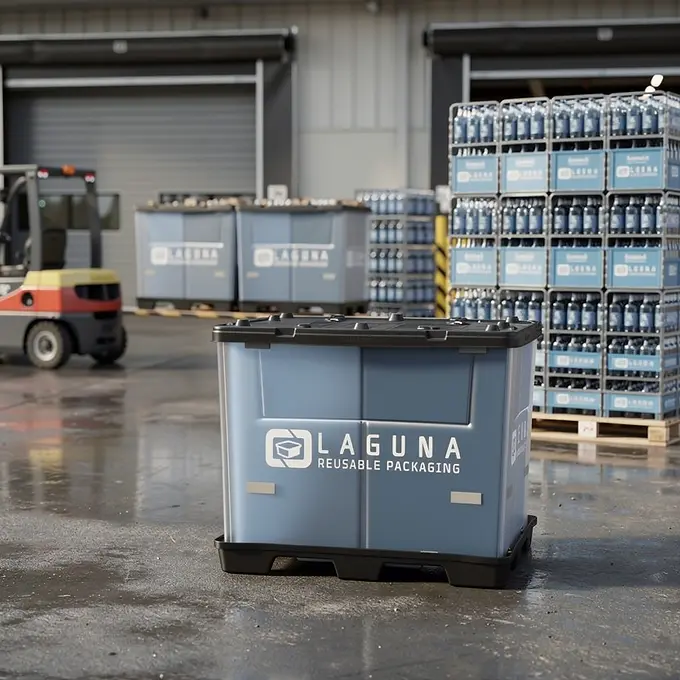
Reusable sleeve systems provide a practical alternative. Built from durable plastic, they are engineered to withstand repeated handling while protecting both perishable and non-perishable goods. Their collapsible design allows them to fold flat for return shipments. This feature cuts freight costs and minimizes storage requirements. At Returnap.com, our standardized sleeves integrate seamlessly with pallets and tops. Companies don’t need to redesign their racks, tools, or line layouts. This plug-and-play compatibility makes adoption simple and cost-effective.
Protecting Perishables and Non-Perishables
Food logistics requires packaging that can handle diverse product categories. Reusable sleeves provide reliable protection for perishable goods such as produce, dairy, and meat. They ensure these items arrive intact and undamaged. For non-perishable items like packaged snacks or canned goods, sleeves offer durability and consistency across repeated trips. Their rugged construction ensures that products remain secure throughout the supply chain. This reduces damage rates and improves customer satisfaction.
Financial and Environmental Benefits
The advantages of reusable sleeves extend beyond product protection. Their collapsible design reduces cube space during backhaul, significantly lowering freight costs. Storage costs are also minimized, as collapsed sleeves take up far less warehouse space than bulky single-use containers. Over the life of a program, reusable sleeves deliver lower total landed costs compared to expendable packaging. At the same time, they reduce single-use waste. This helps food companies meet sustainability goals and regulatory requirements. By adopting reusable packaging, businesses demonstrate leadership in environmental responsibility while achieving measurable financial savings.
Applications Across the Food Supply Chain
Reusable sleeve systems are versatile, serving multiple points in the food supply chain:
Manufacturing: Protect bulk ingredients and packaged goods during production and storage.
Distribution Centers: Streamline logistics with standardized footprints that integrate seamlessly into racks and pallets.
Retail & Foodservice: Provide a sustainable alternative to expendable packaging, reducing waste and simplifying backroom logistics.
Each application highlights how reusable sleeves deliver universal benefits while meeting the unique demands of food logistics.
Customization and Branding Opportunities
Food companies can also benefit from customization options. At Returnap.com, we offer sleeves with customizable colors and branding. This allows businesses to align packaging with corporate identity or product segmentation. Customization enhances visibility in warehouses and distribution centers. It reinforces brand presence and simplifies inventory management. Custom branding ensures that packaging not only performs but also promotes the company’s commitment to sustainability.
The Importance of Sustainability in Packaging
Sustainability is not just a buzzword; it is a necessity. The food industry faces increasing pressure to reduce its environmental footprint. By switching to reusable packaging, companies can significantly lower their waste output. This transition is crucial for meeting regulatory requirements and consumer expectations. The move towards sustainable practices is not only beneficial for the planet but also for a company's reputation. Consumers are more likely to support brands that prioritize environmental responsibility.
The Role of Technology in Reusable Packaging
Technology plays a vital role in the effectiveness of reusable packaging systems. Advanced tracking systems can monitor the use and condition of packaging throughout the supply chain. This ensures that companies can manage their assets efficiently. Additionally, innovations in materials science are leading to the development of even more durable and lightweight packaging options. These advancements will further enhance the benefits of reusable packaging, making it an even more attractive choice for businesses.
Conclusion: A Cleaner, More Efficient Food Supply Chain
Food industry logistics requires packaging that protects products, reduces costs, and supports sustainability. Reusable sleeve systems provide a solution that balances these priorities. They deliver durability, efficiency, and environmental responsibility. At Returnable Asset Packaging, we design packaging systems that protect perishable and non-perishable goods. Our solutions reduce freight and storage costs while minimizing waste. By adopting reusable sleeves, food companies can build a supply chain that is safer, cleaner, and more resilient. This is a true win for both business and the planet.
The Future of Sustainable Packaging
As we look ahead, the shift towards reusable packaging will only gain momentum. Companies that embrace this change will not only improve their bottom line but also contribute to a more sustainable future. The transition from single-use to reusable systems is not just a trend; it is a necessary evolution in the food logistics sector. By investing in durable, reusable packaging, we can create a supply chain that is efficient, cost-effective, and environmentally friendly.
In conclusion, the benefits of switching to reusable packaging are clear. It is time to take action and make the switch. Together, we can build a more sustainable food supply chain that benefits everyone involved.


Comments